Places to go in Oregon.

Springs, beaches, parks and gardens worth the drive. Save the ones you want to visit and tick off the ones you’ve been to.

Explore places across the United States →
BeachesLakes & riversMountainsCaves

All places

Browse everything by category or region.

5 places

Cannon Beach Beaches

Cannon Beach

Cannon Beach, OR · Oregon Coast

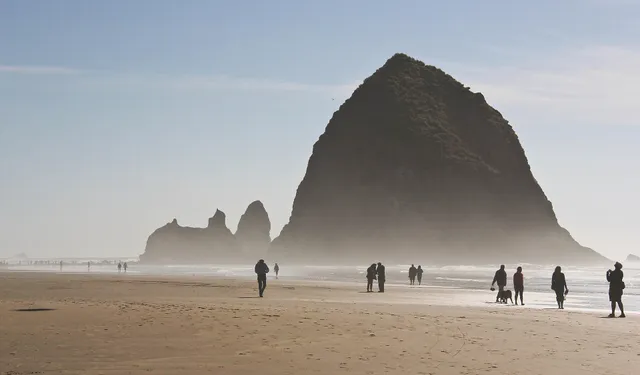
Cannon Beach is one of Oregon's most photographed stretches of coast, anchored by Haystack Rock, a 235-foot sea stack that rises straight out of the sand at the tide line. At low tide you can walk right up to its base to explore tide pools full of starfish and anemones, while tufted puffins, gulls, and cormorants nest on the rock above. The wide, walkable beach, the artsy downtown a few blocks inland, and the dramatic headlands of nearby Ecola State Park make it an easy and rewarding day trip about 80 miles west of Portland.
Crater Lake National Park Lakes & rivers

Crater Lake National Park

Klamath Falls, OR · Cascade Range, Southern Oregon

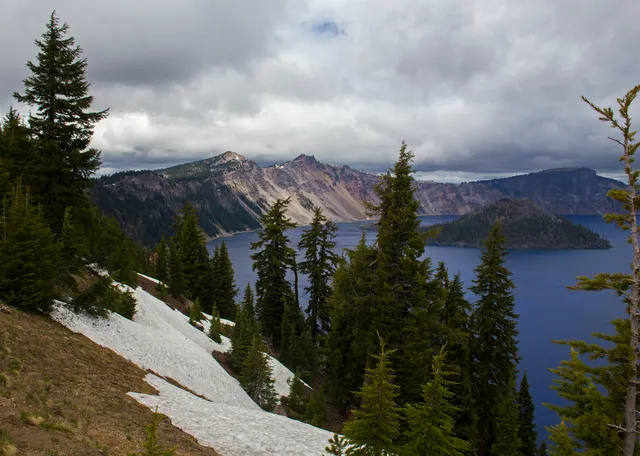
Crater Lake fills the collapsed caldera of Mount Mazama, a volcano that blew its top roughly 7,700 years ago, leaving the deepest lake in the United States at nearly 1,950 feet. Fed only by rain and snow, its water is so clear it glows an almost unreal sapphire blue, with Wizard Island, a cinder cone, rising near the western shore. Drive the 33-mile Rim Drive in summer or strap on skis when winter buries the road.

Oregon Caves National Monument Caves

Oregon Caves National Monument

Cave Junction, OR · Siskiyou Mountains

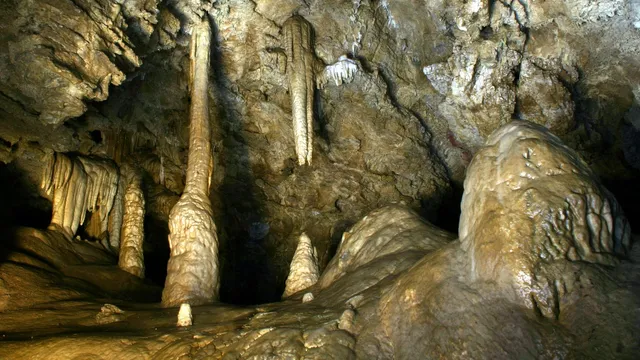
Twenty miles up a mountain road from Cave Junction, the Marble Halls of Oregon are one of only a handful of caves in the country carved from marble rather than limestone, and the rangers still lead you through by the glow of handheld candlelight on the seasonal tour. The half-mile route climbs past the massive Ghost Room, the soda-straw stalactites and drapery of Paradise Lost, and the underground stream the old guides named the River Styx, with calcite columns and flowstone that took hundreds of thousands of years to form. It is a tight, hands-on cave with low ceilings and 500 steps, not a paved walk-through, which is exactly why it stays one of the West's most memorable underground hours.

Multnomah Falls Lakes & rivers

Multnomah Falls

Corbett, OR · Columbia River Gorge, Oregon

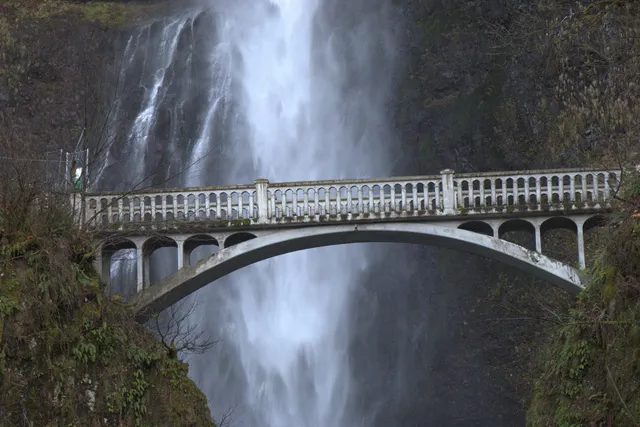
Oregon's tallest waterfall drops 620 feet in two tiers, and the whole thing sits five minutes off Interstate 84, which is exactly why it draws two million people a year. The upper falls plunges 542 feet down a mossy basalt cliff into a pool, then slips another 69 feet under the Benson Bridge, a 1914 stone arch built by Italian masons that hangs 105 feet above the lower drop. Spring snowmelt makes it thunder, but Multnomah runs year round on cold groundwater springs, so even a dry August afternoon gives you a real curtain of water. The paved switchback trail climbs a mile to the top overlook if you want the view from above. Know before you go: from May 22 to September 7, 2026, the I-84 lot needs a $2 timed-entry permit booked on Recreation.gov, released fourteen days ahead. Come before Memorial Day or after Labor Day to dodge the crowds.

Steens Mountain and the Alvord Desert Mountains

Steens Mountain and the Alvord Desert

Frenchglen, OR · Southeast Oregon High Desert

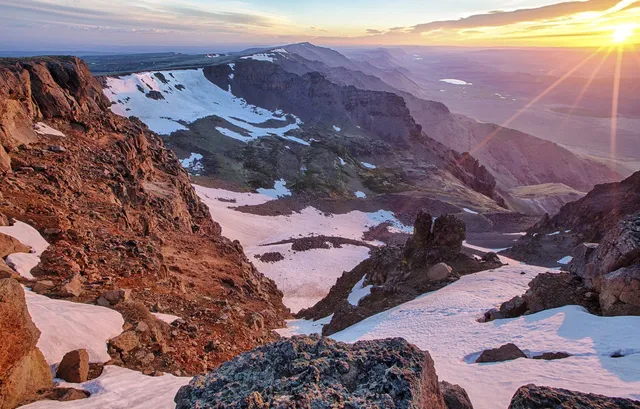
Steens Mountain is a 30 mile fault block that lifts a vertical mile above the Alvord Desert playa, and the pair makes one of the darkest night landscapes left in the Lower 48. The gravel loop road tops out near 9,700 feet at the East Rim Overlook, where the playa lies a mile straight down and the horizon runs unbroken in every direction. Sky quality runs Bortle 1 to 2, so the Milky Way throws a faint shadow and zodiacal light climbs the west after dusk. Worth knowing: the 2.5 million acre Oregon Outback sanctuary, certified in 2024 as the world's largest, covers Lake County. Steens sits in Harney County, inside the proposed expansion, not the certified area. The loop road is normally open early July to mid October and snow gated otherwise, so check TripCheck. Aim for a new moon, dress for freezing rim nights, and give your eyes a full 30 minutes to adapt before judging the sky.