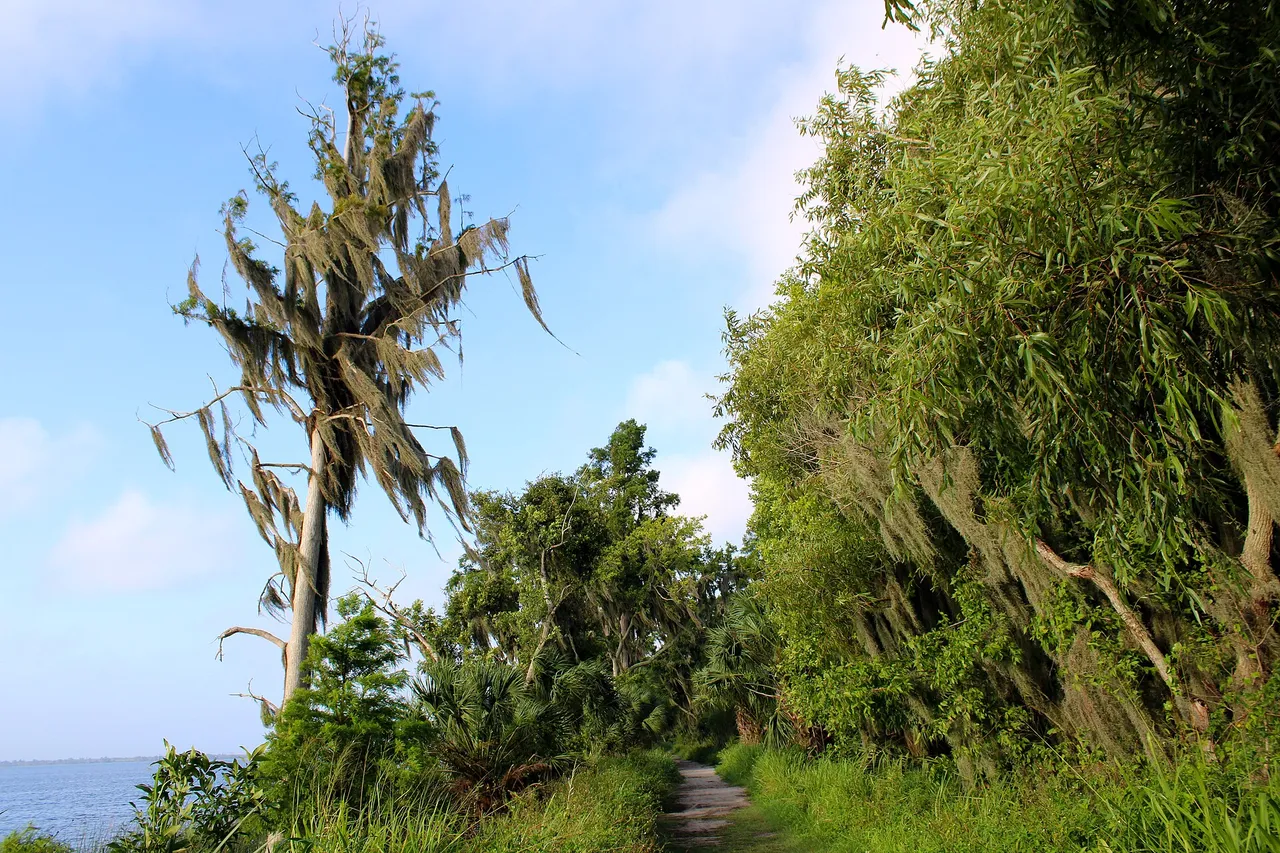
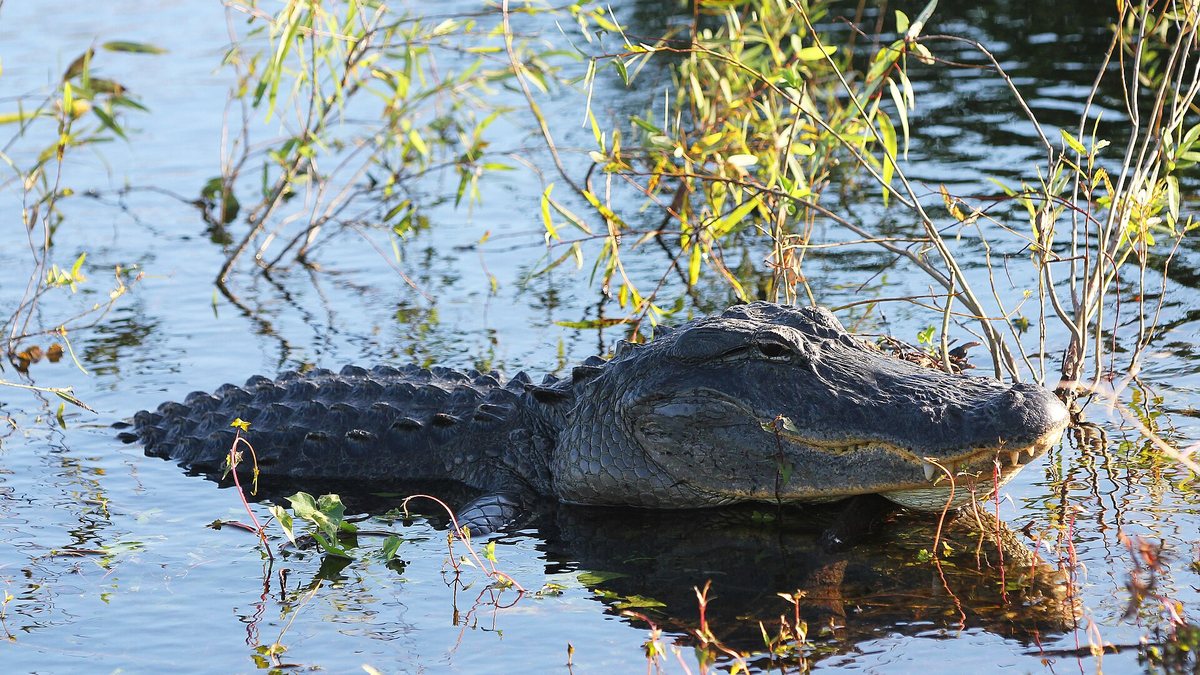
Circle B Bar Reserve is a restored 1,300-acre floodplain on Lake Hancock just southeast of Lakeland, and one of Florida's best spots to see wild things up close. Walk Alligator Alley or Heron Hideout and you will pass basking gators, wading egrets and ospreys among the more than 200 bird species recorded here. Cooler dry-season mornings from November through March bring the heaviest bird traffic.
Highlights
Nine flat, hard-packed trails open to hikers and bikers, including Alligator Alley and Wading Bird WayMore than 200 bird species, from snail kites and sandhill cranes to bald eagles and ospreysAlligators viewable from shore and piers along Lake HancockFree Polk Nature Discovery Center with hands-on exhibits and an indoor kids play areaPrime dry-season birding and wildlife photography from late fall through early spring
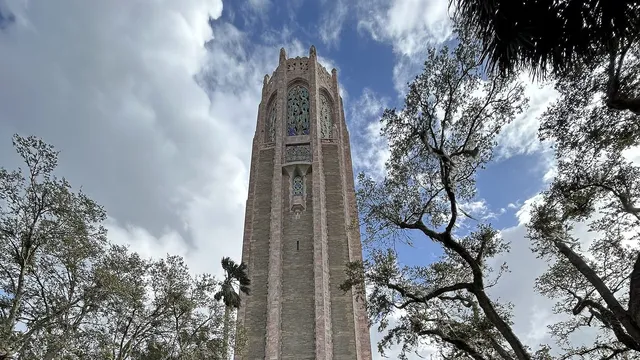
Bok Tower Gardens crowns Iron Mountain, one of the highest points on the Florida peninsula, with a 205-foot art deco and neo-Gothic Singing Tower rising above 50 acres of woodland gardens in Lake Wales. The tower's 60-bell carillon plays daily concerts, its sound carrying over a reflecting pool that mirrors the whole spire. Visit in late winter for peak camellia and azalea bloom.
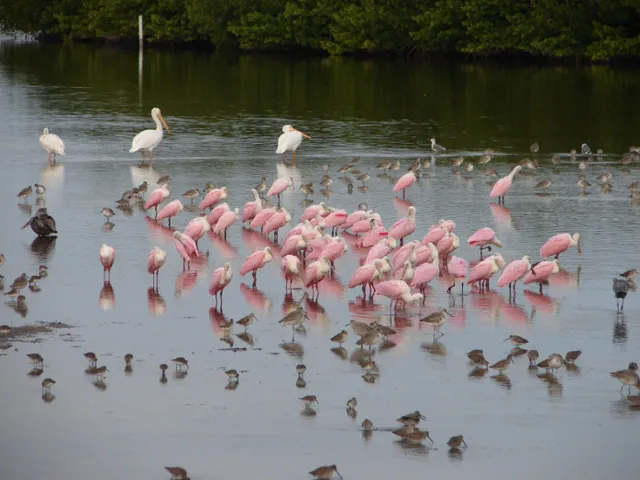
Spanning more than 6,400 acres on Sanibel Island, this refuge protects one of the largest undeveloped mangrove ecosystems in the United States. Its four-mile Wildlife Drive winds past tidal flats and estuaries teeming with roseate spoonbills, herons, ibis, and alligators. The refuge is renowned among birders and is best explored by car, bike, kayak, or on foot.
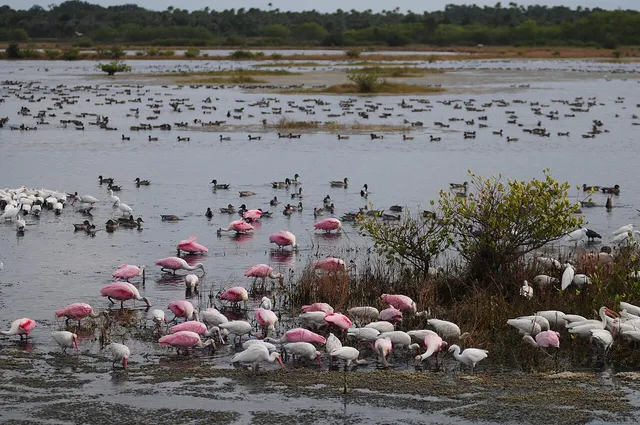
Sharing its boundary with NASA's Kennedy Space Center, this 140,000-acre refuge is one of the most biologically diverse in the country, home to more endangered and threatened species than almost any other refuge in the continental U.S. Visitors can drive the Black Point Wildlife Drive to spot alligators, manatees, bald eagles, and thousands of migratory birds. Hiking trails and the visitor center round out a rich wildlife experience along Florida's Space Coast.
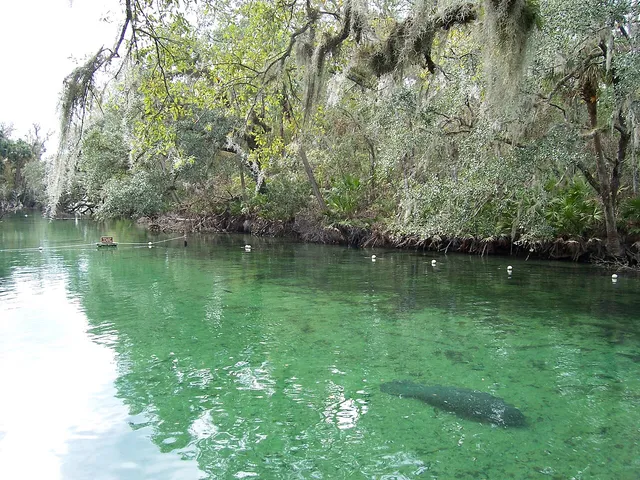
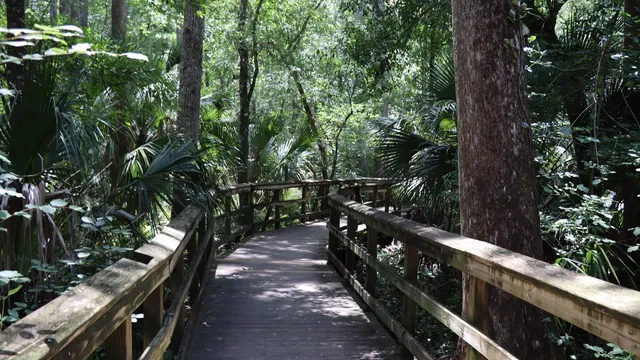
Blue Spring is Florida's premier manatee sanctuary, a first-magnitude spring that pumps out crystal-clear 72-degree water year-round into a short run off the St. Johns River near Orange City. From mid-November through March, hundreds of manatees crowd in to escape the cold, and a riverside boardwalk lets you watch them drift below. In warmer months the same spring becomes a favorite for swimming, snorkeling, and tubing.
Bok Tower Gardens crowns Iron Mountain, one of the highest points on the Florida peninsula, with a 205-foot art deco and neo-Gothic Singing Tower rising above 50 acres of woodland gardens in Lake Wales. The tower's 60-bell carillon plays daily concerts, its sound carrying over a reflecting pool that mirrors the whole spire. Visit in late winter for peak camellia and azalea bloom.
Four miles west of Sebring sits one of Florida's first state parks, where a boardwalk threads a bald cypress swamp past trees that were already ancient when the Spanish arrived. Walk the catwalk over black water where alligators drift and barred owls call, then drive the three-mile loop past oaks so broad it takes a few people holding hands to ring one. The Civilian Conservation Corps crews who cut these trails in the 1930s left behind a museum and a hushed, cathedral feel that still holds.
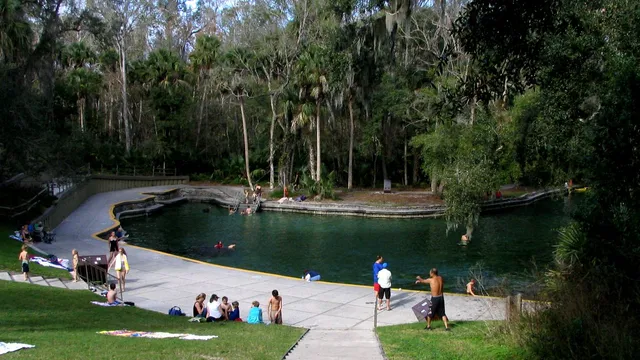
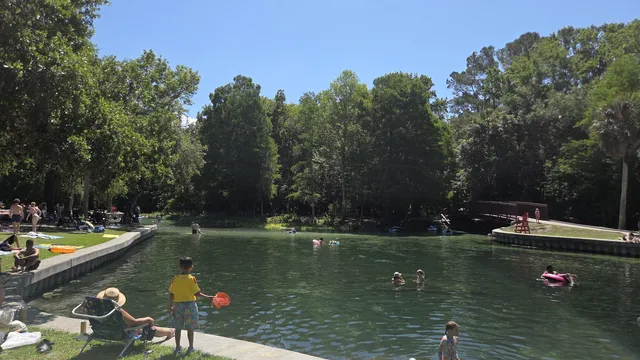
Forty-two million gallons a day rise here at a steady 72 degrees, filling a kidney-shaped pool that fades from concrete-apron shallows to a 15-foot cavern at the boil. Most days you wade in with families and college kids from nearby Orlando, float over the limestone vents, then trade the swimming hole for a rented canoe and paddle Wekiwa Run where it braids into Rock Springs Run and the headwaters of the Wekiva River. Skip the scuba dreams (cave diving is off-limits) and come for the simplest version of a Florida spring: cold, clear, and yours from 8 a.m. to closing.
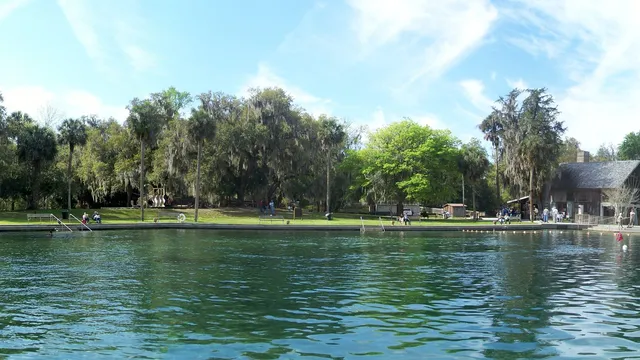
De Leon Springs pushes out close to twenty million gallons a day, holding 72 degrees whether it's January or August, in a wide circular pool ringed by cypress and moss-draped oaks. The real reason people come is breakfast at the Old Spanish Sugar Mill, where you cook your own pancakes on a griddle built into the table, then walk down and swim off the meal in the spring. Come in winter and you may share the cove with manatees drifting in from the cold St. Johns to warm up.
Rock Springs pushes about 26,000 gallons a minute of 68-degree water out of a cave at the head of Kelly Park, and the run it feeds is the whole point: you drop in at the boil and let the current walk you a quarter-mile downstream past limestone ledges and overhanging palms. The water glows that gemstone teal-green where the light hits the sand, and the float lasts roughly 25 minutes before a short paved walk back to do it again. Bring your own tube or float under five feet, get there early because the lot caps and fills by mid-morning, and plan to be wet all day.