Where to go when you want the Milky Way instead of a glow on the horizon. Fifteen places with genuinely dark skies, from the least light-polluted park in the lower 48 to a 9,200-foot volcano above the cloud layer, an Appalachian ridge with a 360-degree horizon, and an Alaskan hot spring under the aurora.
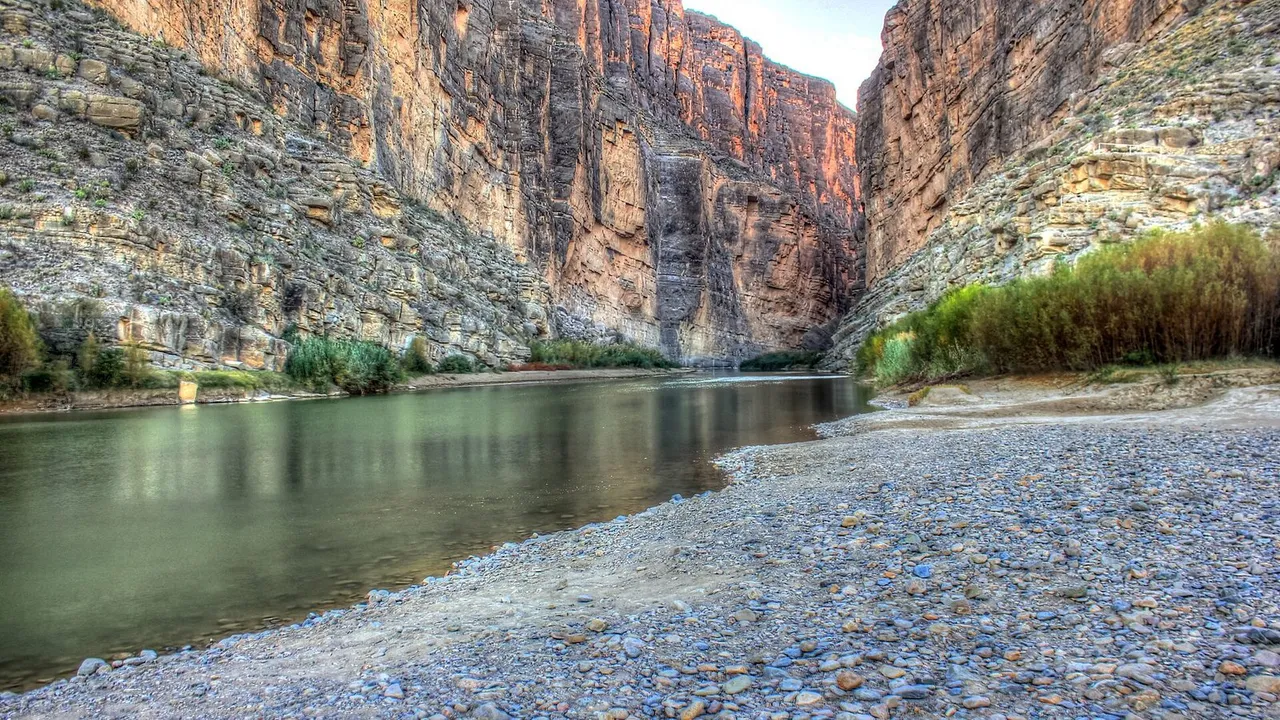
The least light-polluted sky measured in the lower 48, with the Chisos rising out of the Chihuahuan Desert beneath it. A long drive from anywhere, which is exactly the point.
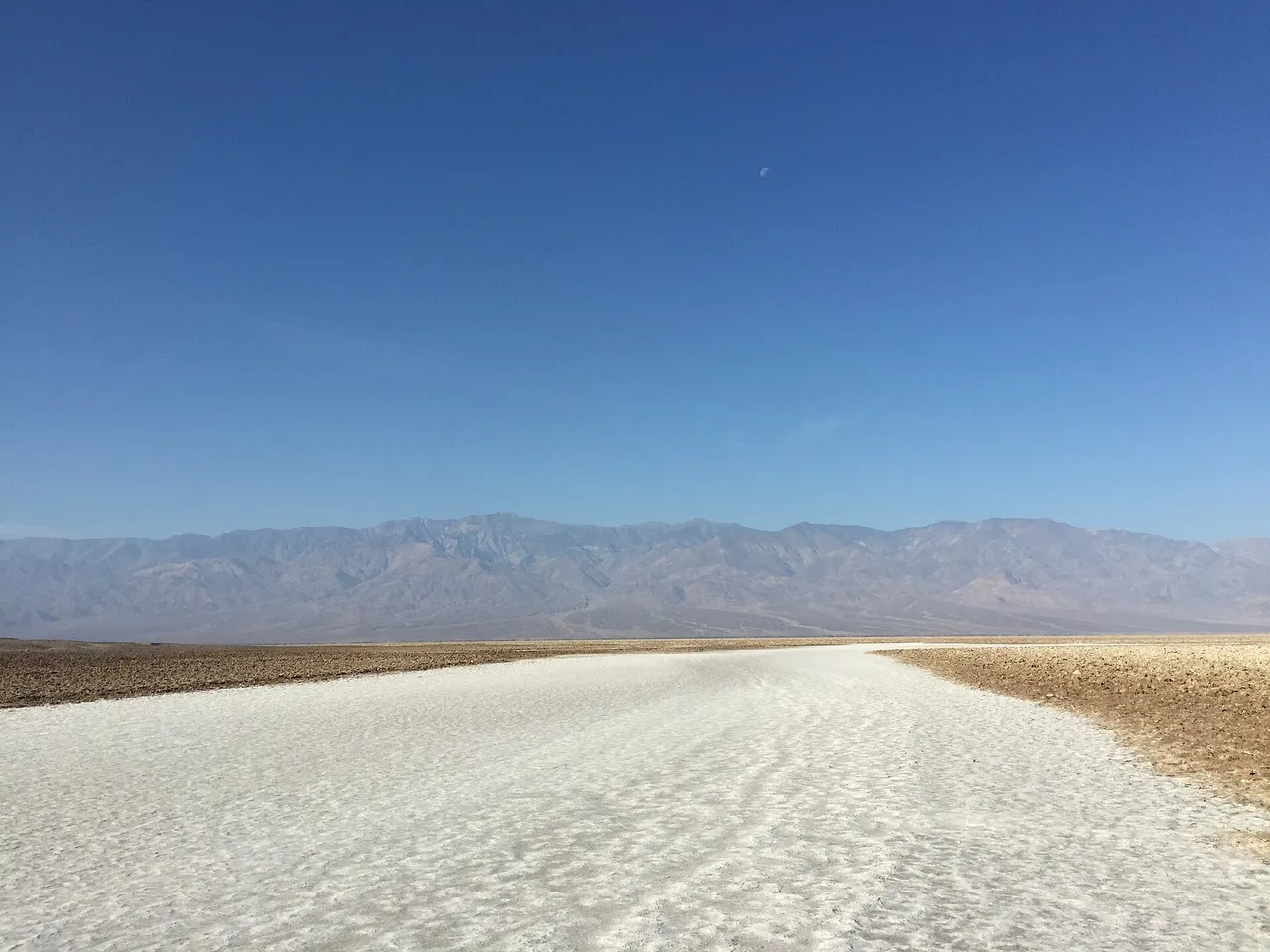
Three million acres of Gold-tier sky over salt flats and dunes, reachable on pavement, with a lodge to sleep in and ranger night-sky programs all winter.
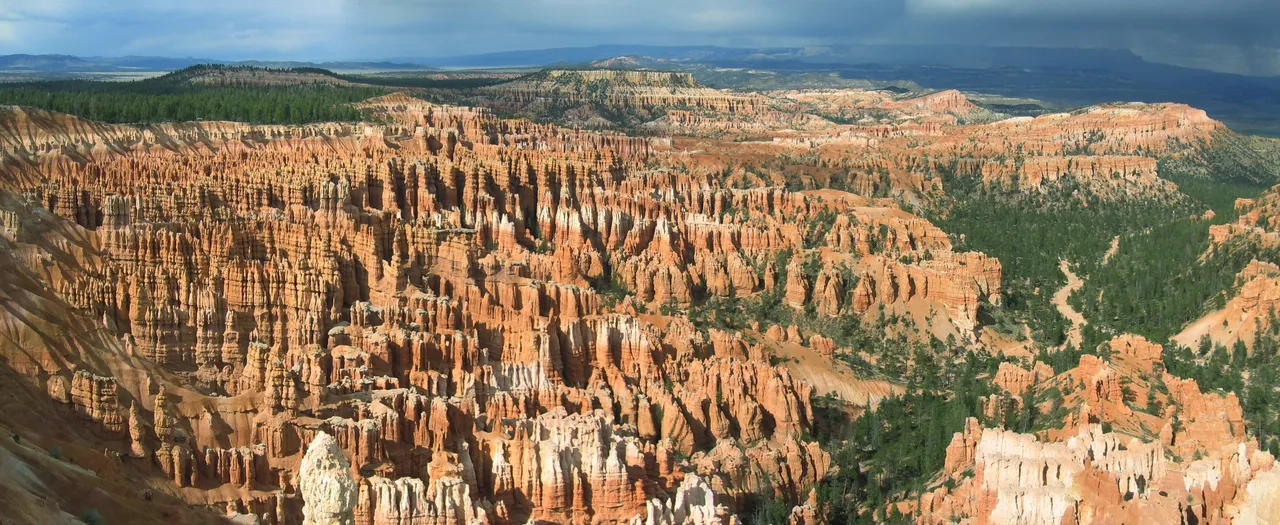
Eight thousand feet of thin, dry air over the hoodoos, plus the park system's most developed astronomy program, with Astronomy Rangers and a festival each June.
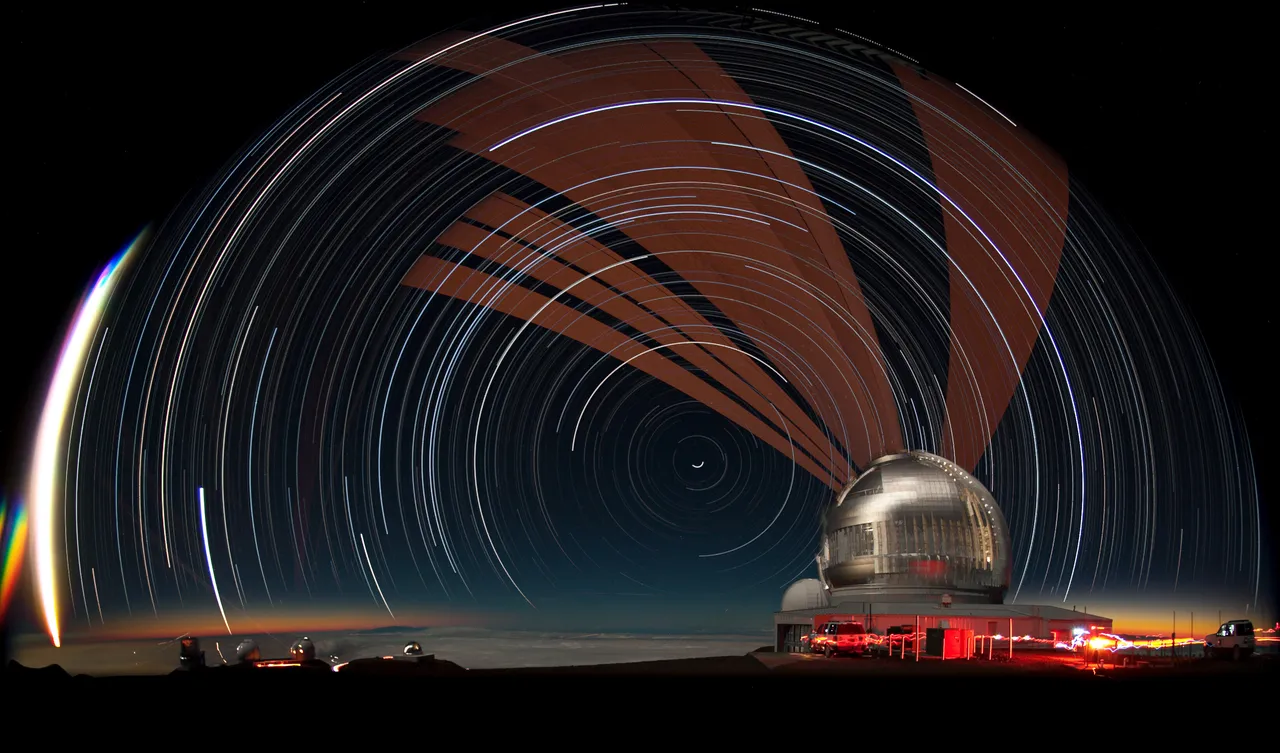
Nine thousand two hundred feet up a dormant volcano, above the cloud layer, where the sky reads Bortle 1 to 2. Free, open until 9pm, and reachable in a rental car.
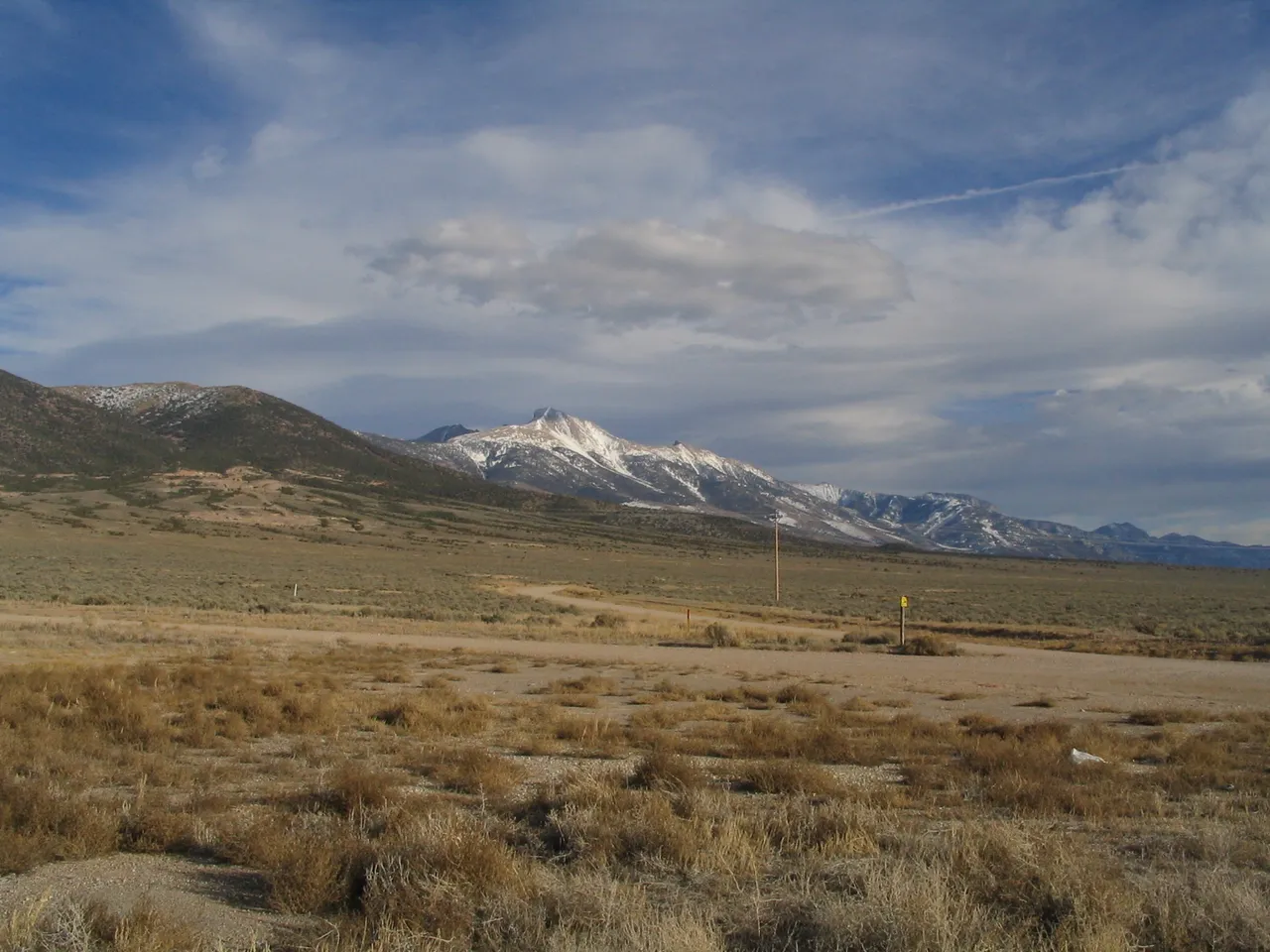
One of the darkest and least visited parks in the country, where 4,000-year-old bristlecone pines stand against the Milky Way and an astronomy festival runs each September.
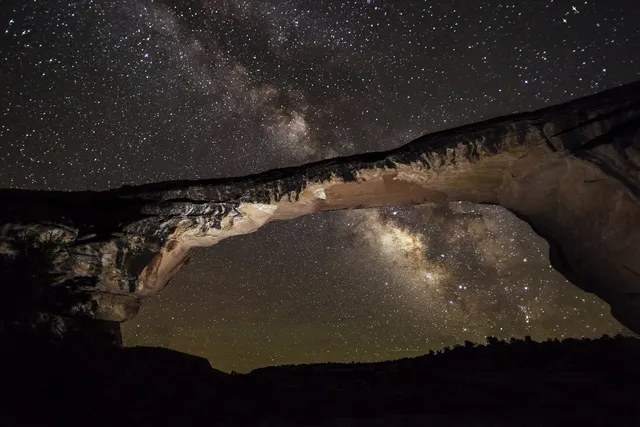
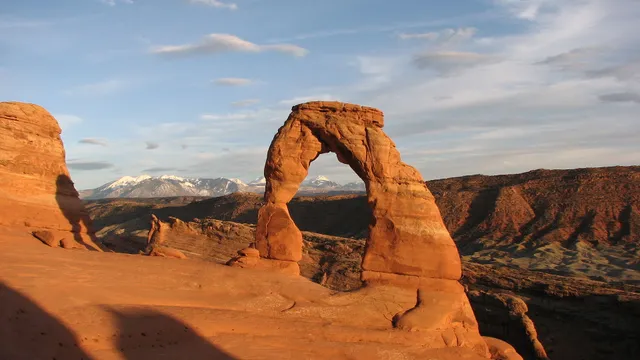
In March 2007 the International Dark-Sky Association named this small Cedar Mesa monument the world's first International Dark Sky Park, and it holds Gold tier on a sky measured at Bortle Class 2, the darkest reading the Park Service night sky team had logged anywhere. Outdoor fixtures were reshielded to keep light from bleeding upward, and the monument runs largely on its own solar array. The payoff is Owachomo Bridge, a sandstone span 180 feet across and 106 feet high at the end of the shortest walk here, framing the Milky Way core like a window cut in rock. Entry is $20 per vehicle for seven days, the park road and trails stay open 24 hours, and the 13-site campground at 6,500 feet is reservation-only on Recreation.gov. Nearest gas is 40 miles east in Blanding. Plan a moonless night in July or August, when the core rides highest, and bring water; there is none at the campground.
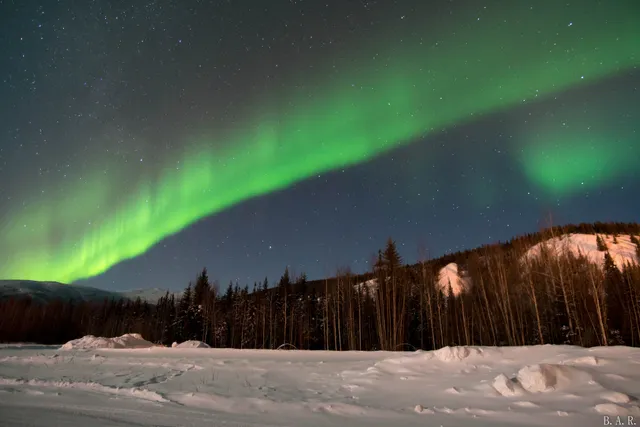
Chena Hot Springs sits at 65 degrees north, directly under the auroral oval, 56.5 miles northeast of Fairbanks and clear of city glow. That geometry does the work: green shows up overhead rather than low on the horizon, and you can watch it while floating in Rock Lake, a boulder-rimmed geothermal pool that runs about 106 degrees, adults 18 and over. On active nights the resort runs a tracked SUSV up Charlie Dome for open-sky views from a heated yurt. The Aurora Ice Museum holds 25 degrees year round. At 1,158 feet, cold, not altitude, is what you plan around. Know before you go: aurora season runs September through March, and a clear, moonless night is the one worth chasing. The pool house closes at 11:45 pm, last admission 11:30, so soak early and save the darkest hours after midnight for the open resort grounds.
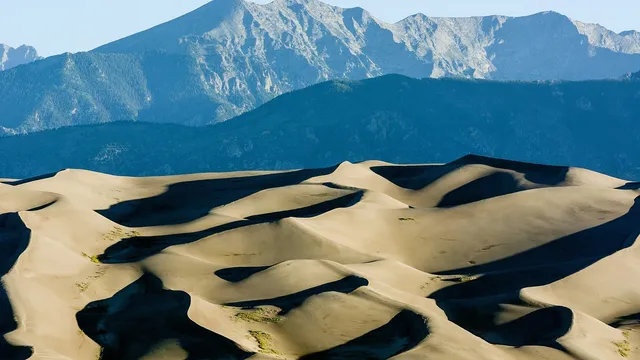
Great Sand Dunes National Park holds the tallest dunes in North America, a 30-square-mile sea of sand rising up to 750 feet against the jagged Sangre de Cristo Mountains near Mosca, Colorado. Climb the ridgeline to Star Dune or sandboard down the slopes, then cool off in seasonal Medano Creek at the dune base. Spring through early summer is prime, when snowmelt feeds the creek's wide, beachy flow.
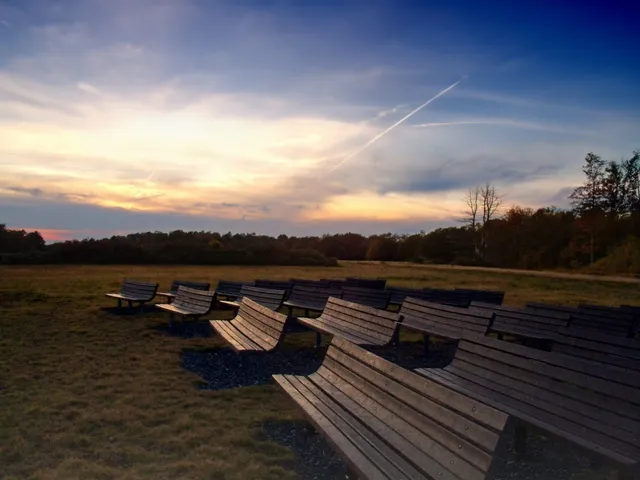
Cherry Springs sits at 2,300 feet on the Allegheny Plateau, ringed by Susquehannock State Forest with no town close enough to glow. The Overnight Astronomy Observation Field is a mowed clearing with a full 360 degree horizon, concrete telescope pads, RV style power pedestals, and wi-fi. On a clear moonless night the Milky Way throws a shadow. DarkSky International certified the park Gold Tier in 2008, among the first anywhere, and it still reads Bortle 2, one of the darkest skies east of the Mississippi. The free Night Sky Public Viewing Area north of Route 44 has restrooms and a shielded amphitheater for shorter visits. Come within a few nights of new moon, June through October for the galactic core. The overnight field is first come, not reservable: register and pay at the contact station, drive on before dusk since after dark you park in the lot and walk in, and bring red filters because white light is banned.
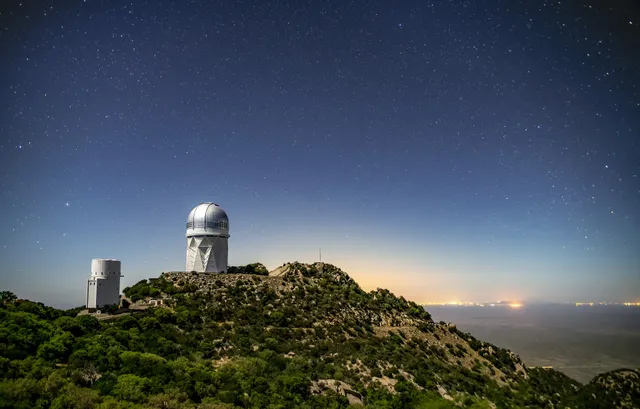
Kitt Peak sits at 6,875 feet in the Quinlan Mountains on the Tohono O'odham Nation, about 55 miles southwest of Tucson. The summit holds more than 20 optical telescopes and two radio dishes, one of the largest clusters of astronomical instruments in the northern hemisphere. The site was chosen in 1958 for dark, steady air, and Tucson and Pima County have guarded it since 1972 with outdoor lighting codes. The Nightly Observing Program opens with sunset from the summit, works through constellations by binocular, then gives each group an hour at a visitor center telescope. The ending sticks: a caravan eases down the first mile of Route 386 with headlights off so the research telescopes stay undisturbed. Book two to four weeks out, aim for a new moon, and dress for 30 degrees colder than Tucson. The gate closes at 4 p.m. to anyone without a reservation, so you cannot drive up and stargaze on your own.
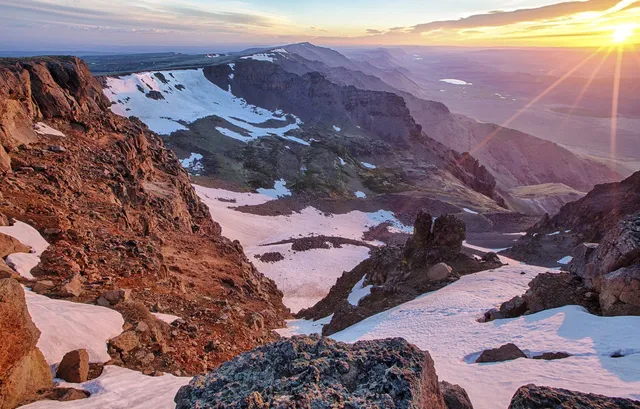
Steens Mountain is a 30 mile fault block that lifts a vertical mile above the Alvord Desert playa, and the pair makes one of the darkest night landscapes left in the Lower 48. The gravel loop road tops out near 9,700 feet at the East Rim Overlook, where the playa lies a mile straight down and the horizon runs unbroken in every direction. Sky quality runs Bortle 1 to 2, so the Milky Way throws a faint shadow and zodiacal light climbs the west after dusk. Worth knowing: the 2.5 million acre Oregon Outback sanctuary, certified in 2024 as the world's largest, covers Lake County. Steens sits in Harney County, inside the proposed expansion, not the certified area. The loop road is normally open early July to mid October and snow gated otherwise, so check TripCheck. Aim for a new moon, dress for freezing rim nights, and give your eyes a full 30 minutes to adapt before judging the sky.
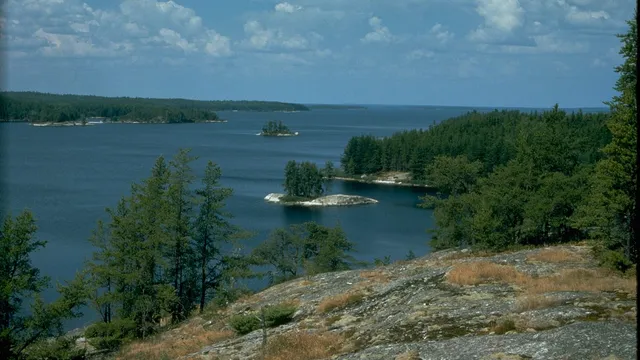
Voyageurs is a watery wilderness on the Minnesota-Canada border near International Falls, where four big lakes and countless islands are reached almost entirely by boat. Rent a houseboat or canoe to explore Rainy and Kabetogama Lakes, fish for walleye, and camp on a quiet shoreline once paddled by fur-trade voyageurs. As a certified Dark Sky park, it delivers brilliant stargazing, and winter visitors stand a real chance at the northern lights.
Stacyville, ME · Maine North Woods, Penobscot County
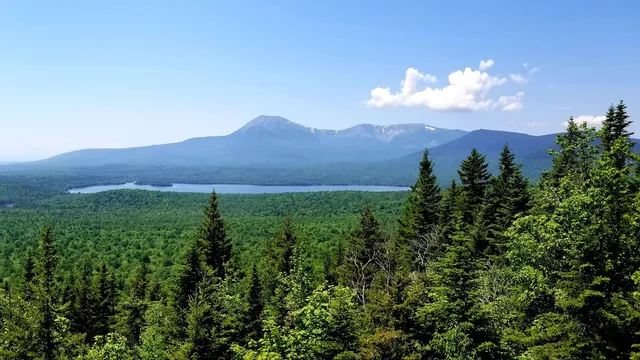
Katahdin Woods and Waters protects about 87,500 acres of Maine's North Woods, and in 2020 DarkSky International certified it an International Dark Sky Sanctuary, the first on the eastern seaboard. The Park Service has logged a reading of 21.88 magnitudes per square arcsecond here, Bortle 2 territory, about as dark as the East gets. The viewing spot is Katahdin Overlook, mile 6.4 of the gravel Katahdin Loop Road, where a short driveway climbs to a clearing with picnic tables and a vault toilet. It reopened in 2026 after a rebuild, with a new picnic pavilion. The Milky Way stands over the silhouette of Katahdin, 5,269 feet, with Millinocket Lake below and no town glow. Stargazing notes: the 17-mile Loop Road is one way, rough gravel, posted at 15 mph, and open to vehicles from late May until November 1. No fee and no cell service. Aim for a new moon in July or August and pack for 40s at night.
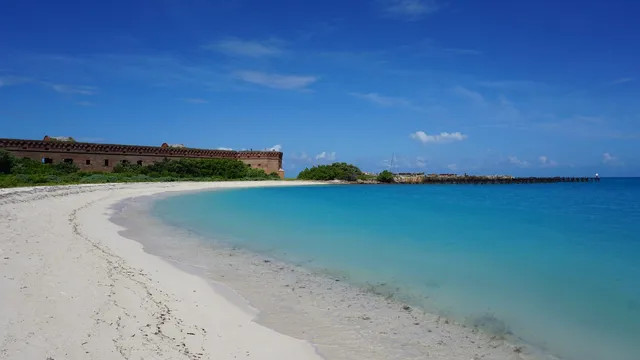
Located almost 70 miles west of Key West in the Gulf of Mexico, Dry Tortugas National Park is a remote cluster of seven small islands reachable only by ferry or seaplane. Its centerpiece is Fort Jefferson, one of the nation's largest 19th-century masonry forts, surrounded by crystal-clear waters renowned for snorkeling, coral reefs, and shipwrecks. The park is also a haven for nesting seabirds and migratory birds.
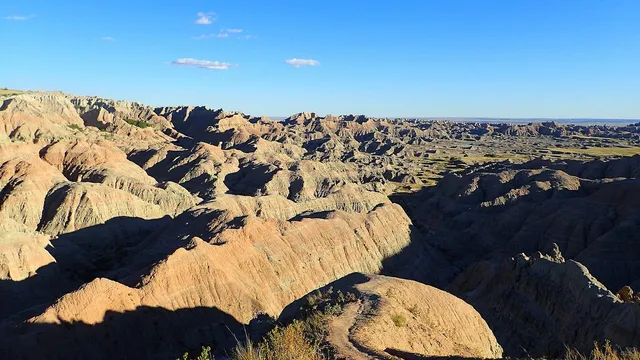
The Badlands rise from South Dakota's prairie as a maze of sharply eroded buttes, spires, and banded pinnacles, the layers stacked in stripes of rust, gold, and gray. Walk the boardwalk-and-scramble Door Trail straight into the formations near Interior, or drive the Badlands Loop Road for bighorn sheep, bison, and prairie dogs. The park also guards one of the world's richest fossil beds, where ancient horses and saber-toothed cats once roamed.
 Must-see